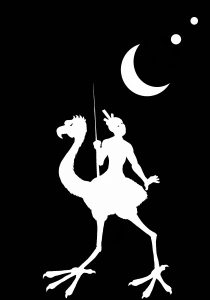
“The First Taniwha War”
The first “Taniwha War” was waged between the Aho and the Taniwha, as demanded by the gods for the Taniwha’s transgression against them.
This skirmish, involving minor and major engagements scattered around the world, was spread over a very lengthy period. It saw wide spread decimation of population and devastating changes to the very landscape – changes that are sorely visible today.
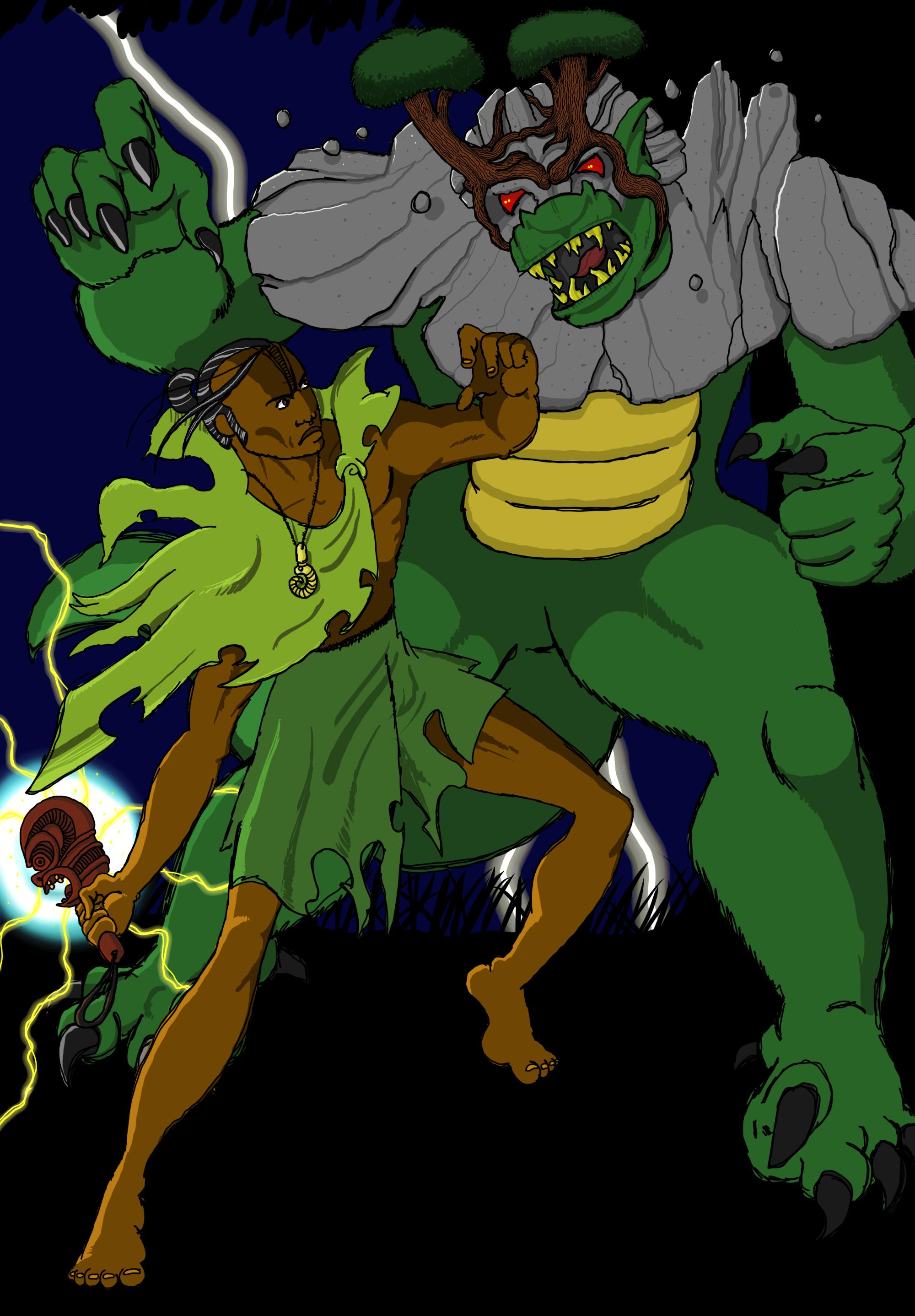
Even though the Aho had the approval of the gods they were not prepared for the dark and foul trickery the Taniwha now possessed and used with ruthless efficiency.
The Taniwha were spread across the Earth, and were rarely united in their struggle (absolute power has ways of corrupting it’s own), but one Taniwha was more than a match for three inexperienced Aho – whom were created to be peacekeepers – not war-hardened soldiers.
As time passed and numbers dwindled on both sides, the battles became more focused in isolated areas around the world. The last final bastion of the Taniwha was the remote islands of the Pacific, and more specifically Aotearoa, a land that, at that time, was untouched by both Aho and Māori. They sought refuge on these lonely islands, but their dark magic was too powerful to remain hidden for long, and the Aho discovered their hidden retreat.
By now, The Aho were few in number, and even less made the long journey to these shores, and in the final years of the first war it saw the defeat of the Aho at the hands of the Taniwha.
“The Second Taniwha War”
With the Aho reduced to a handful of warriors, and the Taniwha launching a final bold attack against them, the last stage of the conflict saw the Māori taking up arms against the Taniwha. These adventurous sea-faring people had slowly and fearlessly navigated Polynesia and, having been guided by the stars and the gods, had settled the tiny islands of Te Ika-A-Māui, Te Wai Pounamu and Rakiura, – collectively known to future generations as Aotearoa, or New Zealand.
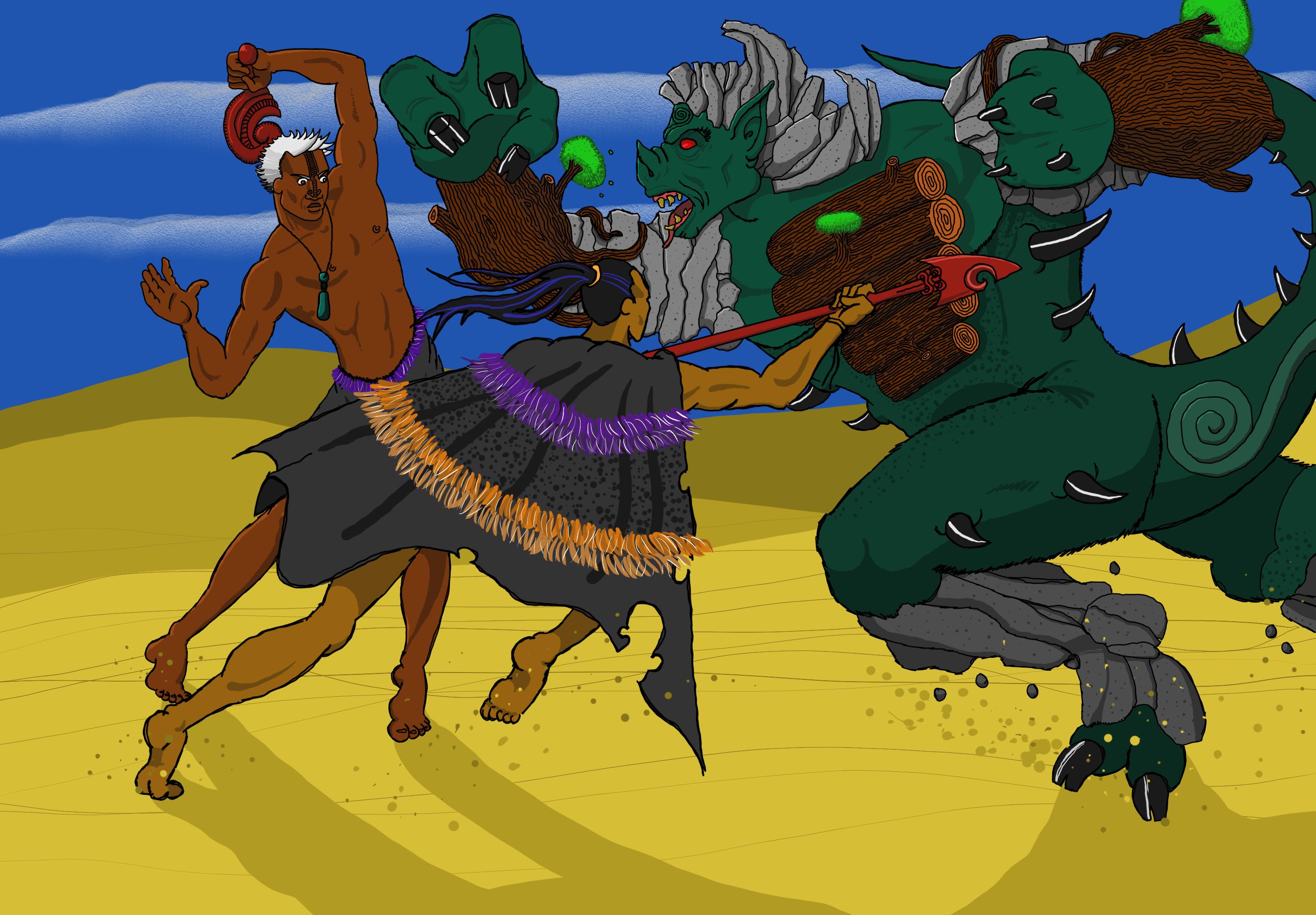
As the number of Māori grew and their fighting techniques developed, the Aho asked the Māori leaders to help them eradicate the Taniwha. At first, the Māori were not concerned, as the Taniwha were sometimes benevolent, but this changed as the Taniwha, fearing Māori will turn on them, slowly unleashed their cruelty and malice (The Katipo People).
When the dangers were realised, the Māori joined the Aho, and the tide slowly turned against the Taniwha.
This second engagement was spread over 150 years (pre-colonial times) which saw the last Aho fall in battle, and their line disappear. But the Māori people were resilient, continuing the battle even in the face of insurmountable odds, until the last Taniwha King (Waimakariri) fell at the battle, “Te Putakari O Nga Hamutia,” at the hands of Werahiko Hamiora.
This ended the Taniwha Wars.
Rewiti Hata took up the mantle at the end of the war to pursue hunting down the last remaining Taniwha, a sacred mission that his descendants have honoured through the generations, taking them all over the world, from China to Scotland.
 Māori Magic and Mythology
You must be logged in to post a comment.